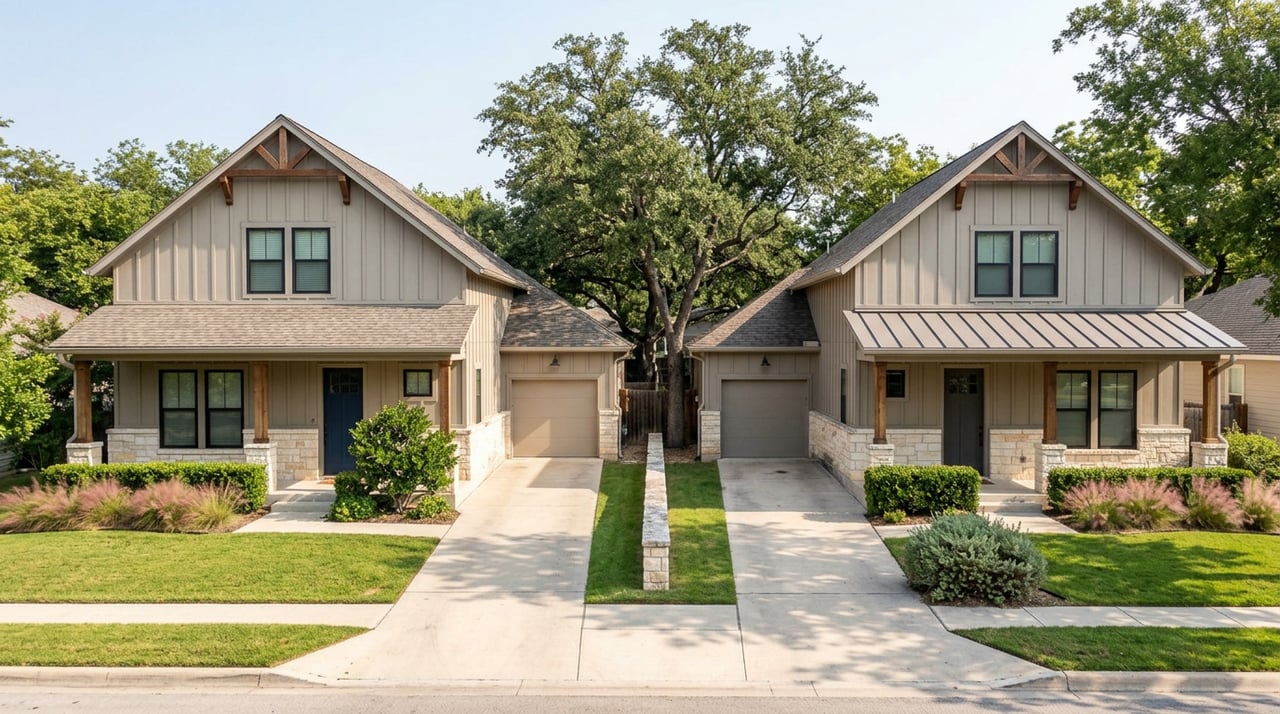
Are you trying to make sense of the Cedar Park housing market? You are not alone. With new homes coming online, shifting inventory, and varied timelines, it can feel hard to know when to act and how to price. In this guide, you’ll learn how supply, days on market, list‑to‑sale dynamics, and new‑home activity work together in Cedar Park. You will also get practical tips for timing your move and reading local signals. Let’s dive in.
Cedar Park market drivers
Cedar Park sits along the North Austin corridor in Williamson County. Many buyers choose it for suburban living with access to Austin jobs through 183A and US‑183. This location keeps steady demand from commuters and remote workers who want North Austin access without central‑city prices.
Population growth has been strong over the past two decades. That growth fuels new household formation, which supports baseline housing demand. Regional job trends across the Austin metro, especially tech, often ripple into Cedar Park’s market conditions.
School district boundaries, including Leander ISD, frequently factor into home searches. Commute routes, neighborhood amenities, and price tier also shape demand patterns by block and by subdivision.
Supply and inventory basics
Housing supply is the heartbeat of Cedar Park’s pricing and pace. A few core metrics help you read the market:
- Active listings: the number of homes currently on the market.
- New listings: how much fresh inventory is entering each month.
- Pending sales: near‑term demand signals.
- Months of inventory (MOI): active listings divided by monthly sales. As a rule of thumb, under 3 months leans seller‑friendly, about 4 to 6 months is more balanced, and above 6 months favors buyers.
- Absorption rate: the share of inventory sold each month. Higher absorption means faster turnover.
- New construction share: the portion of closings that are new builds versus resale.
Seasonal patterns you can expect
- Spring (February to May): high new listings and strong buyer activity. Well‑priced homes move faster and show firmer pricing.
- Early summer (May to July): activity stays strong and inventory often peaks as more sellers list.
- Fall (August to November): activity cools; more properties see longer days on market.
- Winter (December to January): the slowest period, with motivated buyers and sellers creating niche opportunities.
New‑home releases do not always follow resale seasonality. Builders may roll out new phases or incentives during off‑peak months, creating pulses of supply that can shift competition in a price band.
Micro‑market realities
Conditions vary by neighborhood, home age, lot size, and price tier. Entry‑level homes often face the tightest supply and the quickest sales. Upper‑tier or large‑lot properties usually take longer and require more negotiation. When a master‑planned community brings a batch of similar homes to market, it can temporarily ease competition in that segment.
Pricing and list‑to‑sale dynamics
Pricing strategy in Cedar Park depends on both inventory and buyer behavior. A few metrics matter most:
- Median list price and median sale price: track overall price trends citywide and by neighborhood.
- List‑to‑sale price ratio: sale price divided by final list price. In tighter markets this often approaches or tops 100 percent. In softer stretches it dips below 100 percent as price reductions and concessions rise.
- Price per square foot: useful for comparing similar neighborhoods and floor plans.
- Price reductions: the frequency and magnitude of reductions indicate how much buyers are pushing back on list prices.
- Share sold above list: a quick read on bidding pressure.
What this means for you
- In segments with low MOI, expect stronger list‑to‑sale ratios. Accurate pricing and polished presentation can still earn top results without overreaching.
- In balanced to softer segments, buyers may negotiate more on price and terms. Sellers should build in time for market feedback and be ready to adjust.
- Mortgage rate shifts can change bidding behavior quickly. When rates rise, buyers often become more price sensitive. When rates stabilize or fall, competition can increase.
Appraisals and financing notes
When offers exceed list price, appraisal gaps can surface. Buyers and sellers should discuss appraisal clauses, inspection timing, and potential concessions upfront. Builders sometimes offer rate buydowns or incentives in cooling periods, which can change the equation versus resale in the same price band.
Days on market and timelines
Days on market (DOM) measures how long a property sits before it goes under contract. Low DOM signals strong demand. Higher DOM means slower absorption or a mismatch between price, condition, and buyer expectations.
DOM varies by season and price tier. Spring and early summer tend to be faster. Entry‑level to mid‑tier homes often move quicker than luxury or large‑lot properties. Keep in mind that relists, cancellations, and withdrawn listings can skew DOM readings.
Closing timelines depend on financing type, inspections, title work, and lender workloads. Conventional loans often close faster than government‑backed loans, but local lender capacity and investor activity can speed or slow timelines in a given month.
New‑home activity and its impact
New construction is a key lever in Cedar Park. What to watch:
- Permits and pipeline: Single‑family building permits help forecast future supply. City and county permit data show how many homes are likely to hit the market later.
- Builder releases: Builders often release lots in phases and adjust pricing, upgrades, and financing incentives based on demand.
- Completions vs permits: Not all permitted homes are delivered on the same schedule. Infrastructure, materials, and approvals can stretch timelines.
How new builds affect resale
When a notable number of new homes close in the same price tier, resale properties in that band may face more competition. That can lead to longer DOM or sharper pricing discipline for resales. At the same time, new development can support long‑term neighborhood amenities, which can benefit values over time.
Seasonal timing tips
If you plan to buy
- Aim for spring or early summer if you want the most options, but be ready for faster decision cycles.
- Explore fall and winter if you prefer more negotiation room and are open to fewer choices.
- Compare new‑build incentives with resale opportunities. Factor in lot premiums, HOA rules, and upgrade costs.
- Track local interest‑rate movements and get pre‑approved early to move fast when the right home appears.
If you plan to sell
- Listing in spring or early summer usually brings more traffic and potentially shorter DOM. Strong pricing and presentation remain essential in any season.
- If new builds are closing in your price tier, adjust your pricing, staging, and timing to stand out.
- Prepare early for appraisal dynamics and be ready to discuss inspection and financing terms to keep your contract on track.
How to read the market in real time
Use a simple monthly checklist to stay ahead:
- Pull current active listings, new listings, pendings, and closed sales for Cedar Park.
- Track months of inventory and median days on market by price tier.
- Review the list‑to‑sale price ratio and the share sold above list for a quick check on bidding pressure.
- Watch price reductions in your target neighborhoods for signals of shifting leverage.
- Monitor building permits and new‑construction closings to see when supply may rise in your segment.
These data points are available through local MLS market reports and public data sources. Ask your agent to date every figure so you can compare month to month.
What this means for your next move
Cedar Park’s market changes with seasonality, interest rates, and the pace of new construction. If you understand how supply, DOM, and list‑to‑sale trends interact, you can time your move, set a sharper price, and negotiate with confidence. If you want a plan tailored to your neighborhood, price tier, and timeline, connect with a local advisor who studies these signals every week.
Inspire your next chapter with trusted, boutique guidance. Schedule a strategy session with Lockie Ealy to map your Cedar Park move with clear data and confident next steps.
FAQs
Is Cedar Park a buyer’s or seller’s market right now?
- It depends on months of inventory and price tier; under 3 months leans seller‑friendly, about 4 to 6 is more balanced, and above 6 favors buyers.
How long does it take to sell a typical Cedar Park home?
- Median days on market varies by season and price tier; spring and early summer are generally faster, while higher‑price segments often take longer.
Do new homes reduce resale values in Cedar Park?
- High volumes of new builds in the same price band can increase competition for resales, but added amenities and long‑term growth can support overall neighborhood values.
When is the best time to buy or list in Cedar Park?
- Sellers often see maximum buyer traffic in spring and early summer; buyers seeking more leverage can explore fall and winter, while also watching new‑build incentives.