Is the timing of your move just as important as the home itself? In Central East Austin, it often is. Seasonality shapes what hits the market, how many buyers you compete with, and the leverage you have when negotiating. If you understand the local rhythm, you can choose when to act for better selection, stronger pricing, or a smoother closing.
This guide breaks down how the yearly cycle plays out in Central East Austin and what it means for you as a buyer or seller. You’ll learn when inventory peaks, when competition eases, and how local events, weather, and tax timelines come into play. Let’s dive in.
Seasonality in Central East Austin
Most housing markets see a surge in listings and buyer activity from late winter into spring, a steadier summer, and a slowdown in late fall and winter. Central East Austin follows this broad pattern. New listings and closings typically climb from late February through May, plateau in the summer, and soften toward December.
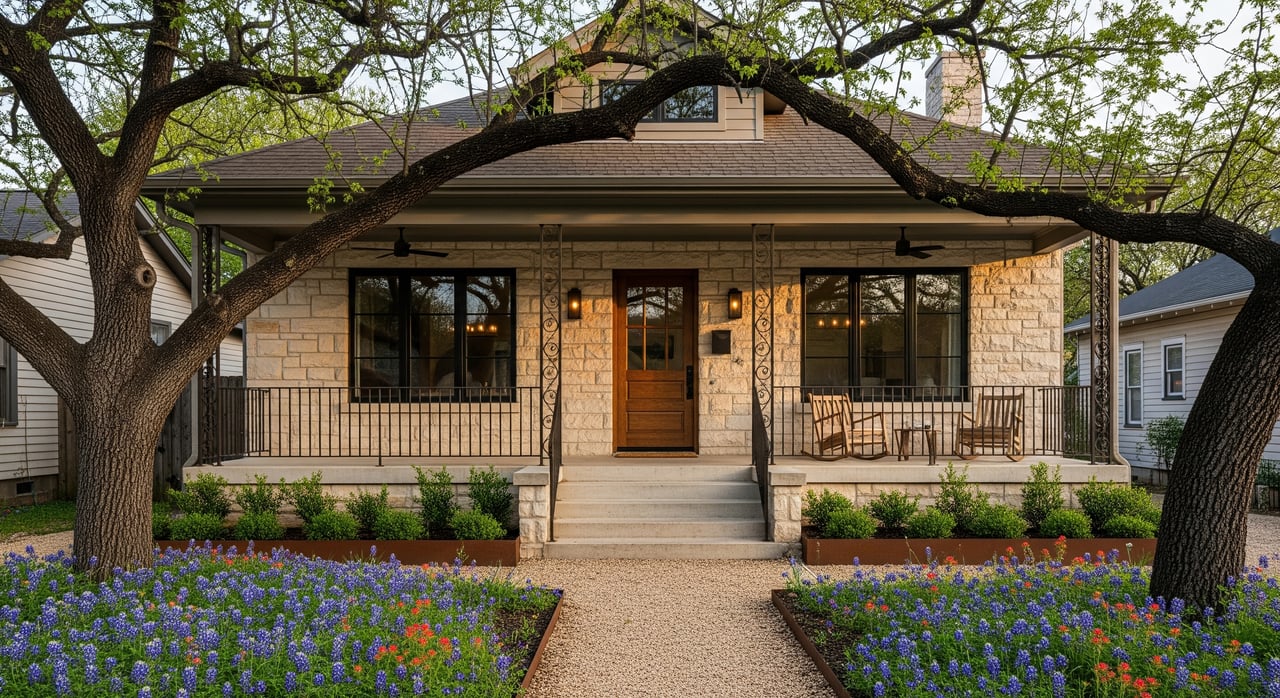
The local mix of homes and buyers can modify the usual swings. Central East includes older bungalows and cottages, infill new builds, duplexes, and some condos. Many buyers choose the area for lifestyle and proximity to downtown, not just a school-year schedule. That can mute the sharpest seasonal highs and lows, and it also means standout listings can draw attention in any month.
Local events shape demand too. Spring’s SXSW often lines up with the spring inventory bump, while fall festivals can renew investor interest, especially for short-term rental potential. Weather matters as well. Spring storms can expose roof and drainage issues during inspections, and parcels near creeks or low-lying areas should be checked for flood risk. Tax timing plays a role in planning. Appraisal notices typically arrive in spring, and sellers and buyers should understand how appraisal and protest windows interact with listing and closing dates.
Buyers: When to shop and what to expect
Spring: widest selection, fiercest competition
From late February through May, you usually see the most homes hit the market. If you prioritize choice, this window gives you the best chance to compare styles, blocks, and features. The tradeoff is competition. Desirable Central East properties can draw multiple offers and move quickly. You’ll want a strong pre-approval, a clear budget ceiling, and a plan for escalation and contingencies.
Summer: steady choices, school-timing moves
June through August often brings a stable pace. Families aim to move before the school year, and some new-build infill projects deliver. Inventory may be a bit lower than spring but can still be healthy. If you value a calmer pace without losing too many options, early summer can be a good fit.
Fall and winter: fewer listings, more leverage
From November through January, listings tend to be scarce and buyer traffic thins out. If your priority is negotiating power on price or terms, this can be an opportunity. You might see longer days on market and sellers more open to concessions. The downside is limited choice and fewer turnkey options.
Financing and timeline considerations
In peak months, lenders, appraisers, and inspectors are busier, which can add time and scheduling pressure. Get pre-approved early, understand your rate lock options, and align your contract timelines with lender capacity. If you are targeting spring, assemble your team ahead of the rush.
Inspections and seasonal issues
Spring and early summer can reveal leak, roof, and drainage problems after heavy rain, which helps your due diligence. Winter inspections may not expose the same issues. Consider inspection strategies that account for recent weather and ask about historical water intrusion, guttering, grading, and nearby floodplain status.
Investors and event-driven interest
If you are buying for rental or short-term rental potential, track the city’s event calendar and local regulations. Investor interest may increase around major festivals. That can influence pricing pressure in certain pockets, but it does not typically change the long-term owner-occupant cycle.
Sellers: Best times to list and why
Choose your goal: price or speed
Early spring listings often achieve maximum exposure and stronger gross sale prices because buyer traffic is high. If top-dollar is your priority, aim for late February through April. If you want to avoid competing with a large cluster of near-identical listings, consider late summer or early fall. If speed and simplicity matter most and you can accept a smaller buyer pool, winter can work. Expect more days on market in the off season, balanced by buyers who are more serious.
Preparation and presentation timing
Spring helps curb appeal, lighting, and outdoor living photos. Central East homes with mature trees and front-porch charm shine in this window. If you list during rainy months, plan photos and showings after dry spells to avoid tracking in mud and to present your landscaping cleanly. Professional photography and virtual tours are especially helpful in shoulder seasons when buyers browse more online before visiting.
Pricing and appraisal realities
Appraisals rely on recent closed sales. In spring, stronger comps can support your price. In winter, comps may skew lower, so strategic pricing is important to avoid appraisal gaps. Work with your agent to monitor current pendings and closes so your pricing aligns with the season and the most relevant comparables.
Taxes and closing logistics in Travis County
Texas property taxes are prorated at closing and appraisal notices typically arrive in spring. A sale after January 1 does not remove your tax responsibility for the current year, but customary prorations at closing help balance costs between buyer and seller. Coordinate timing and documentation early so there are no surprises.
Repairs and pre-listing inspections
Address high-impact repairs before your go-live date. Drainage fixes, roof tune-ups, and exterior refreshes pay off most when buyers are active in spring. If you plan to list in a rainy season or you know a past inspection revealed an issue, a pre-listing inspection can remove friction and reduce the chance of late-stage renegotiations.
Month-by-month playbook
- January to February: Low inventory, serious buyers. Good for buyers seeking leverage and sellers who are comfortable with a smaller audience.
- March to May: Peak listings and traffic. Best for sellers aiming for top price and buyers who need selection and are ready to compete.
- June to August: Steady activity and school-timed moves. A balanced period for both sides.
- September to October: Post-peak cooling. Investor interest can tick up during fall festival season. Sellers can find a clearer field with fewer lookalike listings.
- November to December: Slowest stretch. Buyers often have more negotiating room. Sellers should expect longer market times but more motivated shoppers.
Quick checklists
Buyer checklist
- Get full mortgage pre-approval before spring shopping.
- Set a clear escalation limit and inspection strategy for competitive homes.
- Time inspections to reflect recent weather, and evaluate roof, drainage, and grading.
- Check floodplain status and estimated insurance early for lots near creeks or low areas.
Seller checklist
- Decide your priority: maximum price, minimal overlap, or quick sale.
- Schedule professional photos and staging to highlight walkability and outdoor living.
- Handle key repairs before listing, especially roof and drainage.
- Align your listing calendar with appraisal, protest, and closing timelines.
Putting it together in Central East Austin
Seasonality gives you a roadmap. Spring delivers attention and selection, summer holds steady, and fall and winter favor patient negotiators. Central East Austin’s lifestyle-driven demand, ongoing infill, and event calendar soften the edges of that cycle, but the tradeoffs remain the same. Match your goals to the season, prepare with intention, and you can move with confidence.
If you want a tailored plan for timing, pricing, and preparation, connect with a local advisor who understands the nuances of Central East. Inspire your next chapter. Schedule a consultation with Lockie Ealy.
FAQs
What is the best month to list a Central East Austin home?
- Late February through April typically brings the most buyer traffic and the strongest exposure, which can support higher sale prices if your home is well prepared.
How does buying in winter affect price and selection in Central East Austin?
- Winter often means fewer listings but fewer competing buyers, which can improve your negotiating leverage while limiting your available choices.
Do Austin events like SXSW or ACL change home sale timing?
- They can boost investor interest and short-term rental demand around event months, but the long-term owner-occupant cycle still follows the spring peak and winter slowdown.
Should I worry about flood or drainage issues when buying in Central East?
- Yes. Lots near creeks or low-lying areas should be checked for floodplain status, stormwater behavior, and insurance costs. Spring rains can reveal hidden issues during inspections.
Do Travis County tax appraisals affect when I should sell?
- Appraisal notices and protest windows arrive in spring, so plan your listing and closing timeline with prorations in mind. Taxes are typically prorated at closing, which helps balance costs.