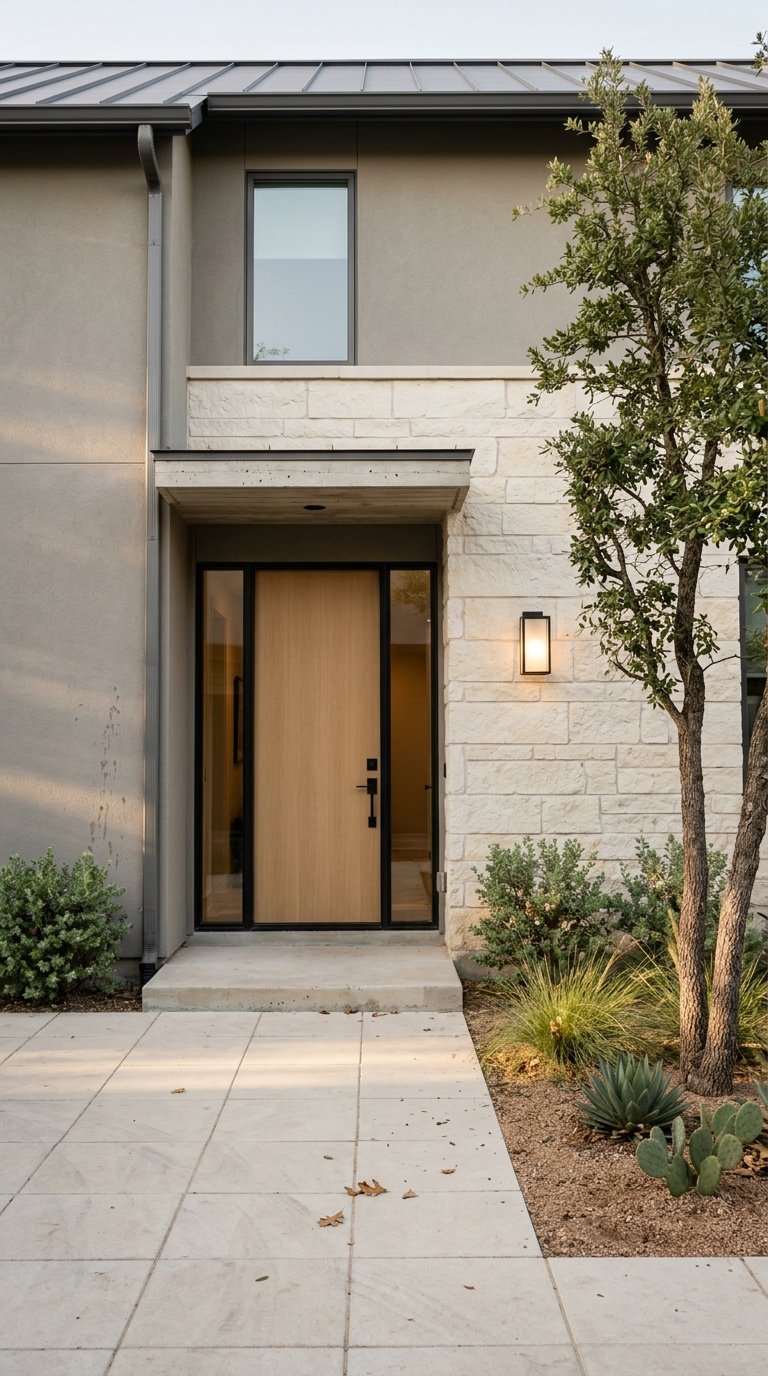
If you want an in-town home without the full workload of a detached house, Central East Austin often lands on the shortlist quickly. You may be looking for a place that feels connected to downtown, easier to maintain, and better suited to travel or a busy schedule. The good news is that lock-and-leave living can work well here, as long as you understand what you are actually buying and what ongoing costs come with it. Let’s dive in.
Why Central East Austin Fits
Central East Austin has qualities that naturally support a low-maintenance lifestyle. The City of Austin describes the area as urban, historic, accessible to downtown and the central city, and amenable to non-auto travel.
That matters if you want a home base that keeps you close to daily essentials, major corridors, and central destinations without the upkeep demands that often come with a larger lot. In practical terms, many buyers are drawn to the area because it can offer a more streamlined ownership experience in a highly connected part of Austin.
The neighborhood plan also highlights corridors like 7th, 11th, and 12th Streets, along with Chicon, Rosewood, and Martin Luther King Jr. Boulevard. Redevelopment activity along the 11th and 12th Street corridors adds to the appeal for buyers who want an established central location with continued investment around it.
CapMetro supports that car-light feel as well. Austin transit service includes connections to rail, bikeshare, and park-and-ride, and select routes run every 15 to 30 minutes. If your version of lock-and-leave includes walking, riding, or using transit more often, that accessibility can be a real advantage.
What Lock-and-Leave Really Means
Lock-and-leave sounds simple, but it does not mean zero responsibility. In most cases, it means less exterior maintenance and more shared responsibility through a homeowners association or condominium association.
That can be appealing if you would rather spend less time worrying about landscaping, exterior repairs, or common-area upkeep. Still, the tradeoff is that you will usually pay dues, follow community rules, and share in the costs of maintaining the property.
This is where many buyers need to slow down. The phrase “lock-and-leave” is a lifestyle description, not a legal one, so you should always confirm what the governing documents say before you fall in love with the marketing.
Condos and Townhomes Are Not the Same
One of the biggest misconceptions in Central Austin is assuming a condo and a townhome work the same way. They can look similar from the street, but ownership and maintenance responsibility may be very different.
In a condominium, you usually own the unit itself plus an interest in common elements. Common elements may include hallways, stairways, lobbies, amenities, and the land, while limited common elements may include things like an assigned balcony or parking space.
A townhome can be structured in more than one way. Some are fee-simple homes in an HOA, while others are legally condo-style units. That means the name used in a listing does not automatically tell you who maintains the roof, exterior walls, windows, balconies, or shared areas.
The recorded documents matter more than the label. If you want true low-maintenance ownership, one of the first questions to answer is exactly where your responsibility begins and ends.
What Monthly Dues May Cover
Monthly HOA or condo dues are a core part of lock-and-leave budgeting. These fees are usually separate from your mortgage payment, so they should be factored into affordability from the start.
Depending on the community, dues may help cover:
- Exterior maintenance
- Shared structures
- Roof-related upkeep in some condo settings
- Driveways or common access areas
- Amenities such as pools, gyms, clubhouses, elevators, or parking garages
- Master insurance for common areas in multi-unit buildings
The exact list varies widely by building and community. That is why two properties with similar sale prices can feel very different in terms of monthly ownership cost.
The Costs Buyers Often Overlook
A low-maintenance home can still come with financial surprises if you only focus on the mortgage. Dues, insurance gaps, and special assessments are often the biggest items buyers underestimate.
For example, a community may have attractive shared amenities, but those features also add to ongoing operating costs. If you are not likely to use the gym, pool, clubhouse, or other shared spaces, it is worth asking whether the monthly fee still feels worthwhile for your lifestyle.
Insurance is another area that deserves careful review. In many multi-unit properties, the association carries a master policy for common areas, but you still need to confirm what that policy covers and what you must insure separately as the owner.
Special Assessments Deserve Extra Attention
If there is one wildcard in lock-and-leave ownership, it is the special assessment. Associations can levy special assessments for unplanned expenses, reserve shortfalls, storm damage, or major repairs such as roofing or plumbing work.
That means a property with a manageable monthly dues structure can still become more expensive if the association has deferred maintenance or underfunded reserves. Unpaid dues or assessments can also lead to collection efforts and, in some cases, foreclosure.
Before you buy, it is smart to look beyond the monthly fee and ask about the community’s financial health. A well-run association can support a smoother ownership experience, while weak reserve planning can create stress later.
Texas Documents You Should Review
In Texas, condominiums and many property owners’ associations are not governed under the same rules. Chapter 82 governs condominiums, while Chapter 209 applies to many residential property owners’ associations and does not apply to condominiums.
That distinction matters because your due diligence process should match the legal structure of the property. Texas condominium associations must keep detailed records and annual audits available to owners, and many Texas POA boards must hold open regular and special meetings for owners, with limited exceptions.
For buyers, the most useful review package usually includes:
- CC&Rs
- Bylaws
- Rules and regulations
- Current budget
- Reserve funding information
- Recent meeting minutes
- Insurance information
- Leasing rules
- Pet rules
- Parking and storage rules
- Any recent or planned special assessments
Once you close, you are generally bound by those documents. That is why a document review is not just a formality. It is how you confirm whether the home truly fits your version of easy ownership.
Questions to Ask Before You Buy
If you are comparing condos or townhome-style properties in Central East Austin, a few practical questions can help you separate a strong fit from a risky one. You do not need every property to look the same, but you do need clear answers.
Ask questions like:
- What does the monthly HOA fee cover today?
- Who handles the roof, exterior walls, windows, balconies, and common areas?
- Are rentals allowed, and are there any leasing caps or approval rules?
- Has the association issued special assessments, and if so, what were they for?
- What does the master insurance policy cover versus the owner’s individual policy?
- Which amenities are genuinely useful for your lifestyle?
These questions can tell you a lot about both cost and convenience. They also help you compare properties on more than just photos and list price.
How to Decide if It Fits You
Lock-and-leave living in Central East Austin can be a great match if you value access, convenience, and reduced exterior upkeep. It can also be a smart option if you want an in-town home that supports travel, a busy work schedule, or a simpler day-to-day routine.
At the same time, the best choice is rarely the one with the flashiest amenity list or the lowest dues on paper. The right fit is the property where ownership structure, monthly costs, rules, insurance, and maintenance responsibilities all align with how you actually plan to live.
That is where thoughtful guidance matters. If you want help comparing Central Austin options and understanding the details behind the marketing, Lockie Ealy can help you find a property that supports your next chapter with clarity and confidence.
FAQs
What is lock-and-leave living in Central East Austin?
- Lock-and-leave living usually means owning a home with less exterior maintenance, often in a condo or HOA community, while staying close to central Austin amenities and transportation options.
What do HOA fees cover in a Central East Austin condo or townhome?
- HOA or condo dues may cover shared upkeep, exterior maintenance, some structural items in certain communities, amenities, and master insurance for common areas, but the exact coverage varies by property.
How is a condo different from a townhome in Central East Austin?
- A condo usually means you own the unit plus an interest in common elements, while a townhome may be either fee-simple in an HOA or legally structured as a condo, so maintenance responsibilities depend on the recorded documents.
What should buyers review before purchasing a lock-and-leave home in Texas?
- Buyers should review the CC&Rs, bylaws, rules, budget, reserve funding, meeting minutes, insurance details, leasing rules, pet policies, parking rules, storage rules, and any special assessments.
Why do special assessments matter in a lock-and-leave community?
- Special assessments can add significant unexpected costs for repairs, storm damage, reserve shortfalls, or major building work, so they are one of the most important financial risks to investigate before buying.
Is Central East Austin a good place for a low-maintenance lifestyle?
- Central East Austin can appeal to buyers seeking low-maintenance living because it offers an urban setting, access to downtown, major neighborhood corridors, and transit connections that support a more connected in-town lifestyle.