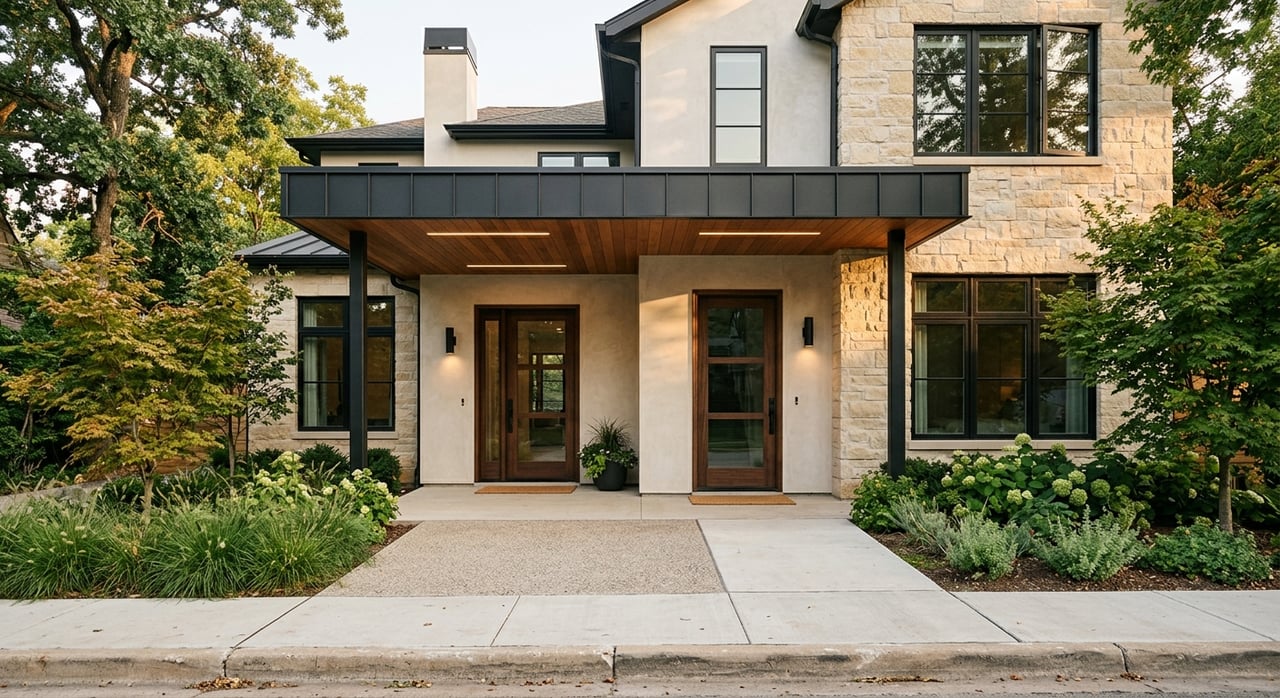
Wondering if you can offset your housing costs by living in one unit and renting out the rest in Central East Austin? You are not alone. For many buyers, house hacking and small multifamily property can feel like a smart way to enter an expensive market, but the details matter a lot here. In Central East Austin, local planning history supports incremental housing options, while current zoning, historic rules, and lender standards shape what is actually possible on a given parcel. Let’s dive in.
Why Central East Austin Fits
Central East Austin is a strong place to explore house hacking because the area has a long planning history that supports more flexible housing choices. The Central East Austin Neighborhood Plan focuses on housing, walkability, preservation, land use, and transportation.
That same plan also supported housing types like garage apartments, small-lot urban homes, small-lot amnesty, and additional multifamily development in appropriate corridors. In plain terms, the neighborhood has a documented history of welcoming incremental density while also emphasizing compatibility and preservation.
That balance is what makes this area especially interesting. You may find more opportunity here than in places with a more restrictive pattern, but you still need to confirm what a specific lot can support before you build your strategy around it.
What House Hacking Means Here
House hacking usually means you live in one unit of a property and rent out another unit or units to help cover your mortgage and other monthly costs. In Central East Austin, that might look different depending on the parcel, zoning, and existing improvements.
A few common examples include:
- Buying a duplex and occupying one unit
- Buying a triplex or other three-unit residential property and living in one unit
- Buying a single-family home and adding another dwelling where city rules allow it
- Looking at a small-lot housing strategy when a site is too small for a traditional extra-unit setup
The biggest takeaway is simple: not every property with more than one living space is treated the same way by the city or by a lender.
Small Multifamily Options in Austin
Austin’s HOME amendments created real opportunities for small-scale residential infill. According to the city’s HOME amendments guidance, properties zoned SF-1, SF-2, and SF-3 can allow up to three housing units, with duplexes, two-unit residential, and three-unit residential serving as the main small multifamily categories.
The city also notes that HOME overrides certain base zoning rules for setbacks, floor-area ratio, impervious cover, and building coverage. For these uses, Austin lists 40% maximum building coverage and 45% maximum impervious cover, and garages and carports count toward both limits.
That matters if you are comparing lots with existing structures, rear parking, detached garages, or plans for added living space. A property can look promising on first glance but still run into site-coverage limits once you account for everything already on the lot.
Duplexes and Two-Unit Homes
A duplex or two-unit setup can be a practical starting point for buyers who want rental income without taking on a larger building. Austin’s current rules treat these as part of the city’s small multifamily framework in qualifying zoning districts.
The city says zoning no longer requires minimum separation between units for two-unit and three-unit residential uses, though technical building code separation still applies. That can increase flexibility in design and layout, but it does not remove the need for proper review and permitting.
Triplexes and Three-Unit Properties
Three-unit properties can create more income potential, but they also bring more moving parts. Austin defines a triplex as one building with three attached units, while a three-unit residential use can include attached or detached combinations of up to three units, according to the city’s HOME amendments page.
The city also requires each dwelling to have a unique address, and triplex projects require an AMOC form during the standard or expedited residential review process. If you are evaluating a triplex opportunity, this is one of the reasons due diligence should start early.
ADUs vs. Multifamily
One of the most common points of confusion is the difference between an ADU and a small multifamily property. In Central East Austin, that distinction can affect both what you can build and how a lender may view the property.
Austin’s ADU page says a property must be zoned SF-1, SF-2, or SF-3 and have at least 5,750 square feet of lot area for this pathway. The city also requires a unique address or building number for each new dwelling unit.
That means a primary-house-plus-extra-unit strategy may work on some lots but not others. If the lot is too small for a traditional ADU route, that does not always mean the site has no potential, but it does mean you need to explore other current code options carefully.
Small-Lot Homes
Austin’s HOME Phase 2 created a small-lot single-family residential use in SF-1, SF-2, and SF-3 for one unit on lots from 1,800 square feet up to less than 5,750 square feet. The city also created a residential infill subdivision path for some projects of 1 acre or less, as explained on the HOME amendments page.
For buyers and investors, that expands the conversation. A parcel that does not support an ADU strategy may still offer infill flexibility through a different pathway.
Why Historic Status Matters
In Central East Austin, older homes and established blocks are part of the area’s appeal. They also add another layer of review you cannot afford to skip.
If a property is a historic landmark, a contributing property in a historic district, or located in a National Register district, Austin requires a historic review application for many exterior changes, additions, site work, signs, and standalone new construction. The city recommends using the Historic Property Viewer and preservation resources to confirm status.
This does not always stop a project, but it can change the timeline, design approach, and overall feasibility. In a neighborhood where preservation is a stated planning priority, that step is especially important.
Preservation Can Also Create Opportunity
Austin also describes a preservation bonus in its Property Possibilities guide that may encourage remodeling instead of demolition. In some cases, qualifying preserved portions may be exempt from GFA and FAR limits, subject to retention rules and a restrictive covenant.
For certain older East Austin properties, preserving part of an existing structure could become part of the value equation. That does not make every older home a better candidate, but it can make thoughtful analysis more worthwhile.
Financing a House-Hack Purchase
Financing is one of the main reasons buyers explore small multifamily in the first place. If you plan to live in one unit, conventional owner-occupant financing may be possible for certain 2- to 4-unit properties.
Freddie Mac states that 2- to 4-unit owner-occupied primary residences are eligible properties under its single-family guidance, and rental income from the other units may be added to borrower income for housing-expense and debt-to-income calculations. That can make a duplex, triplex, or fourplex-style purchase more workable than many buyers expect.
At the same time, lender classification matters. Fannie Mae notes in its special property eligibility guidance that an extra unit is not automatically the same as an ADU for lending purposes, and ADUs are not permitted with a two- to four-unit dwelling. Factors like separate utility meters, a unique postal address, and legal rental status can affect underwriting and appraisal.
In other words, you want the city-side analysis and the lending-side analysis to line up early in the process.
Tax Benefits to Model
If you plan to occupy the property as your primary residence, taxes are another important part of the math. Travis County says the general homestead exemption is free, requires the home to be your primary residence as of January 1, and applies to an individual rather than a corporation or other business entity.
For a house-hacking buyer, that can be a meaningful long-term carrying-cost advantage. It is not the only number to model, but it should be part of your ownership plan if you intend to live in one of the units.
Best Due Diligence Steps
The most common mistake is assuming every extra-unit property works the same way. In Central East Austin, parcel-specific zoning, overlays, historic status, and lender classification can all change the outcome.
A smart due diligence process usually starts with the city, not with assumptions. Austin says buyers can use the Property Profile tool or request zoning verification by address through a formal Zoning Verification Letter or Development Compliance Letter.
Here is a practical checklist to keep in mind:
- Verify zoning before you rely on a duplex, triplex, ADU, or subdivision plan
- Confirm whether the property has any historic designation or district status
- Check lot size if you are considering an ADU strategy
- Review site constraints like building coverage and impervious cover
- Confirm how the lender will classify the property configuration
- Make sure each unit can meet addressing and review requirements
How to Think About the Right Strategy
If you are buying in Central East Austin, the best property is not always the one with the most obvious rental setup. Sometimes the better fit is a clean two-unit property with simple financing. Other times it may be a larger lot where a future extra-unit path is possible, or an older property where preservation rules shape the renovation plan.
What matters most is matching your budget, timeline, and risk tolerance to what the parcel can realistically support. The strongest opportunities are usually the ones where zoning, financing, and long-term use all align.
If you want a clear, grounded view of how a Central East Austin property fits your goals, working with a local advisor can help you spot the difference between headline potential and true feasibility. If you are weighing a duplex, triplex, ADU candidate, or small infill opportunity, Lockie Ealy can help you evaluate your options with a thoughtful, neighborhood-first approach. Inspire your next chapter.
FAQs
Can I buy a duplex in Central East Austin and live in one unit?
- Yes, that can be possible if the parcel fits Austin zoning and any overlay or historic requirements, and if your loan program supports the configuration.
Can I add an ADU to a single-family home in Central East Austin?
- Sometimes, but the property must meet Austin’s current ADU rules, including SF-1, SF-2, or SF-3 zoning and at least 5,750 square feet of lot area.
Does historic status affect house hacking in Central East Austin?
- Yes, historic landmark status, historic district status, or National Register district location can trigger review requirements for additions, exterior work, and some new construction.
How does Austin define a triplex or three-unit property?
- Austin defines a triplex as one building with three attached units, while a three-unit residential use can include attached or detached combinations of up to three units.
Why is Central East Austin a strong area for small multifamily?
- The neighborhood plan has long supported garage apartments, small-lot homes, and multifamily infill in appropriate areas, while current Austin code offers small-scale density options that may fit some parcels.