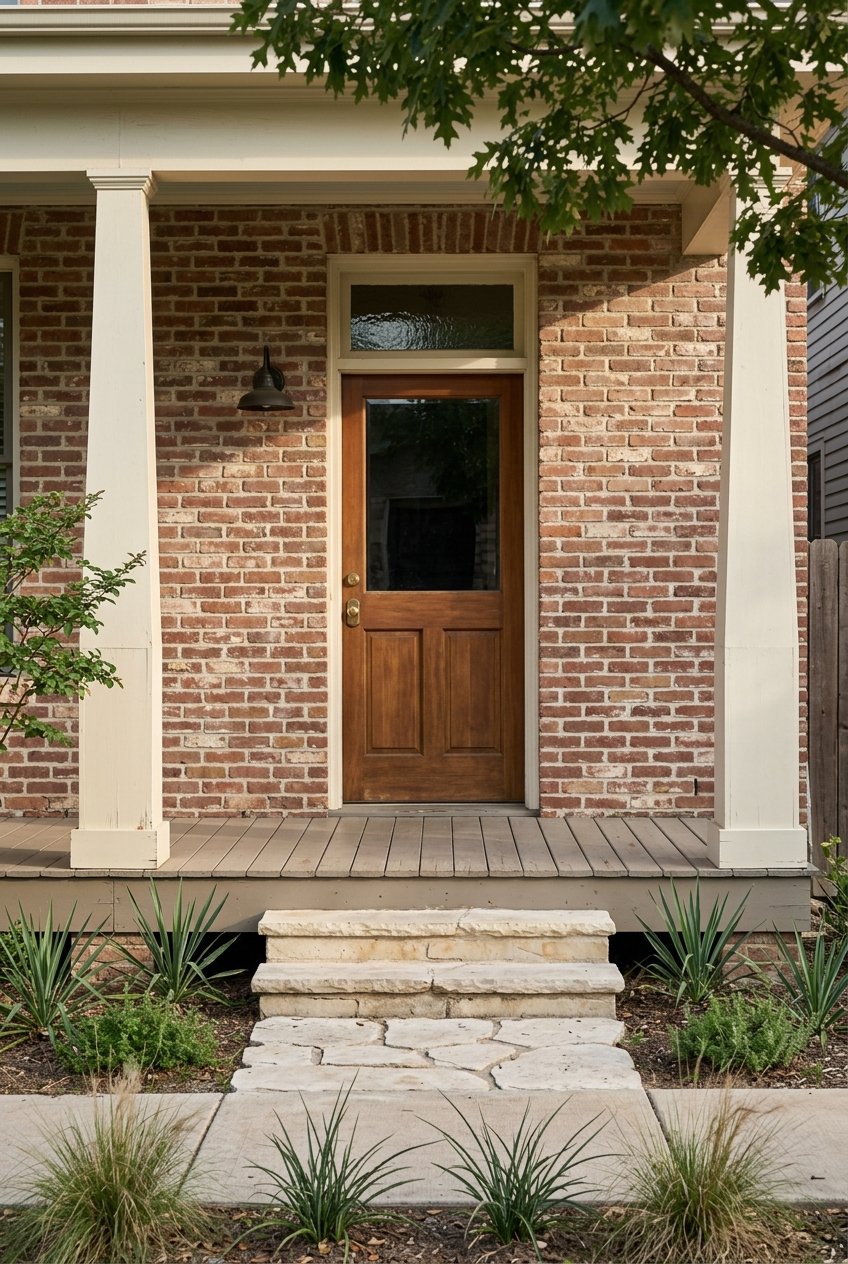
Trying to choose between Georgetown’s historic neighborhoods and its newer communities? You are not alone. In a fast-growing city where you can find older homes near the Square and large master-planned neighborhoods just a short drive away, the right fit often comes down to how you want to live day to day. This guide will help you compare character, convenience, rules, and maintenance so you can move forward with more clarity. Let’s dive in.
Georgetown Gives You Real Options
Georgetown is growing quickly, with the U.S. Census Bureau estimating a population of 106,907 in July 2025. That rapid growth helps explain why buyers here can compare two very different housing experiences in the same market.
On one side, you have older in-town neighborhoods near downtown with established streets, mature character, and homes that reflect Georgetown’s long history. On the other, you have newer neighborhoods with more recent construction, planned amenities, and a more standardized feel.
Downtown Georgetown is a major lifestyle anchor for many buyers. The city describes a 40-block Cultural District centered around the courthouse, with more than 100 restaurants, wineries, shops, and galleries, along with the Palace Theatre, the Georgetown Public Library, the Arts Center, and the Williamson Museum. Georgetown also offers more than 1,000 acres of parkland and a growing trail system.
Historic Georgetown Neighborhoods
If you are drawn to architecture, walkability, and a sense of place, historic areas near downtown may feel like a natural fit. These neighborhoods offer a different experience from newer subdivisions, and that difference is part of their appeal.
The city’s code says the Downtown Overlay is designed to protect the aesthetic and visual character of the Town Square and downtown. The Old Town Overlay is intended to preserve historic structures and maintain the residential appearance along South Austin and University avenues.
According to Georgetown’s historic design guidelines, Old Town homes vary in age, style, and size. Even so, the area is tied together by a residential, pedestrian-oriented feel, sidewalks, and generally lower traffic volumes. The same guidelines note that this historic core has been Georgetown’s cultural center for more than 170 years.
What Buyers Often Like
Historic neighborhoods often appeal to buyers who want more than square footage alone. You may value the feeling of being close to downtown events, local dining, public spaces, and older streetscapes that feel established and compact.
You may also appreciate architectural variety. In historic areas, homes are often less uniform than in newer developments, which can create a more layered neighborhood feel.
What to Expect in Historic Areas
Historic character often comes with added oversight. In Georgetown’s historic-overlay areas, new buildings and changes to existing buildings are subject to the Certificate of Appropriateness process and the city’s Historic District Design Guidelines.
The code also includes standards for height, setbacks, parking, and signs in the Downtown and Old Town overlays. That means a future exterior project may involve more review than it would in a typical newer subdivision.
Parking can also feel different in the historic core. In Area 1 of the Downtown Overlay, the code does not require off-street parking, which means street parking may matter more in some areas than it does in newer neighborhoods.
Historic Homes and Maintenance
Older homes can offer charm, but they may also require a different mindset about upkeep. Georgetown’s maintenance appendix for historic properties says regular maintenance of historic building materials is essential, recommends repair in kind when possible, and notes that roofing needs routine inspection and regular maintenance.
For you, that may mean planning for more hands-on care over time. It does not mean every historic home will need major work right away, but it does mean condition, materials, and update history deserve close attention before you buy.
Newer Georgetown Neighborhoods
If convenience and predictability matter most, a newer Georgetown neighborhood may be the better fit. These communities often appeal to buyers who want more recent construction, planned amenities, and a neighborhood structure with clearer expectations.
In Georgetown, newer communities range from suburban-style neighborhoods to large master-planned developments. Many are association-governed, and the city’s HOA map shows examples across Georgetown, including Sun City, Georgetown Village, Lost River Ranch, Water Oak at San Gabriel, and Old Town Neighborhood Association.
What Buyers Often Like
Newer neighborhoods usually make daily life feel simple and streamlined. You may find amenity centers, trails, newer home systems, and a more consistent streetscape.
Wolf Ranch is one example. It is a master-planned community in Georgetown with homes starting in the mid-$400,000s, two amenity centers, resort-style pools, an indoor event hall, a fitness center, an onsite HOA office, and 16 miles of active trails with 20 miles planned. The community also advertises a location about a half-mile from I-35, within walking distance to Wolf Ranch Town Center, and a short drive to the Town Square.
Wolf Ranch also highlights lifestyle programming as part of the community experience. The neighborhood promotes an onsite Lifestyle Director, shared amenities, parks, a dog park, and trail connections that extend toward downtown Georgetown.
Sun City Texas offers another version of newer community living. Its association says the project launched in 1994, with home construction beginning in 1995, and now includes three golf courses, four fitness centers, eight swimming pools, more than 26 pickleball courts, and over 26 miles of walking trails.
What to Expect in Newer Areas
The main appeal of newer communities is often convenience. You may have lower near-term maintenance uncertainty, easier access to shared amenities, and a more standardized look from one block to the next.
The tradeoff is that you are also more likely to have recurring dues, community rules, and possible extra fees. Sun City, for example, notes that its Landscape Maintained Homes program is separate from annual HOA dues in some neighborhoods.
That is why buyers should look beyond the monthly payment and ask exactly what community costs cover. Two neighborhoods can feel similar on the surface but differ meaningfully in rules, assessments, and maintenance responsibilities.
Historic vs. Newer at a Glance
Here is a simple way to compare the two paths.
| Priority | Historic Areas Near Downtown | Newer HOA or Master-Planned Areas |
|---|---|---|
| Lifestyle feel | Established, compact, character-driven | Planned, consistent, convenience-focused |
| Home style | Older architecture, more variation | Newer construction, more standardized look |
| Access | Often closer to downtown events and cultural spaces | Often centered around internal amenities and major roads |
| Rules | Historic overlay review may apply | HOA or POA rules may apply |
| Maintenance | Greater chance of repair or preservation-sensitive updates | Lower near-term maintenance uncertainty in many cases |
| Parking | Street parking may matter more in some historic areas | Off-street parking is more typical |
How to Decide What Fits You Best
A good choice usually becomes clearer when you focus on your daily life, not just the listing photos. Ask yourself where you want convenience, where you are comfortable with tradeoffs, and what kind of neighborhood rhythm feels right.
Choose a historic-core neighborhood if your top priorities are architecture, walkability, proximity to downtown events, and a neighborhood that feels older and more compact. These areas can be especially appealing if you enjoy character and do not mind more oversight or the possibility of preservation-sensitive repairs.
Choose a newer master-planned or HOA neighborhood if your top priorities are amenity access, newer construction, a more standardized look, and lower near-term maintenance uncertainty. These communities can work well if you want shared features, clearer neighborhood systems, and a more predictable ownership experience.
Three Things to Verify Before You Offer
No matter which direction you lean, a few details are worth confirming before you write an offer.
1. Check for Historic Overlay Rules
Verify whether the property is in a historic overlay and whether future exterior work may require a Certificate of Appropriateness. That can affect how you plan updates, additions, or repairs.
2. Review HOA or POA Documents
If the home is in a property owners’ association subdivision, Texas law requires the association to provide current restrictions, bylaws, rules, and a resale certificate. That certificate can show regular assessments, special assessments, unpaid amounts, budgets, reserves, lawsuits, insurance, known violations, transfer fees, and managing agent contact information.
3. Look Closely at Near-Term Maintenance
Ask how much maintenance the roof, exterior materials, and major systems may need over the next few years. This matters in any home, but it is especially important when comparing an older property with a newer one.
In Georgetown, there is no single right answer for every buyer. The best neighborhood for you is the one that matches your pace, priorities, and comfort with the tradeoffs that come with each style of living.
If you want help weighing Georgetown neighborhoods through a local, lifestyle-first lens, connect with Lockie Ealy to inspire your next chapter.
FAQs
What is the difference between historic and newer Georgetown neighborhoods?
- Historic Georgetown neighborhoods near downtown often offer older architecture, walkability, and close access to the Town Square, while newer neighborhoods often offer more recent construction, shared amenities, and a more standardized neighborhood layout.
What should you know before buying in Georgetown’s historic areas?
- You should verify whether the home is in the Downtown Overlay or Old Town Overlay, whether changes may require a Certificate of Appropriateness, and what kind of ongoing maintenance the home’s materials and roof may need.
What fees should you check in newer Georgetown HOA neighborhoods?
- You should review HOA or POA dues, what those dues cover, whether there are separate maintenance or landscape fees, and the resale certificate details on assessments, reserves, insurance, violations, and transfer fees.
Is downtown Georgetown an important factor when choosing a neighborhood?
- Yes. Downtown Georgetown is a major lifestyle anchor with a 40-block Cultural District, restaurants, shops, galleries, public spaces, and community destinations that can strongly influence how a nearby neighborhood feels day to day.
How can you decide between a historic home and a newer home in Georgetown?
- Start with your priorities. If you want character, walkability, and proximity to downtown, a historic area may fit better. If you want amenities, newer construction, and more predictable upkeep, a newer community may be the stronger match.