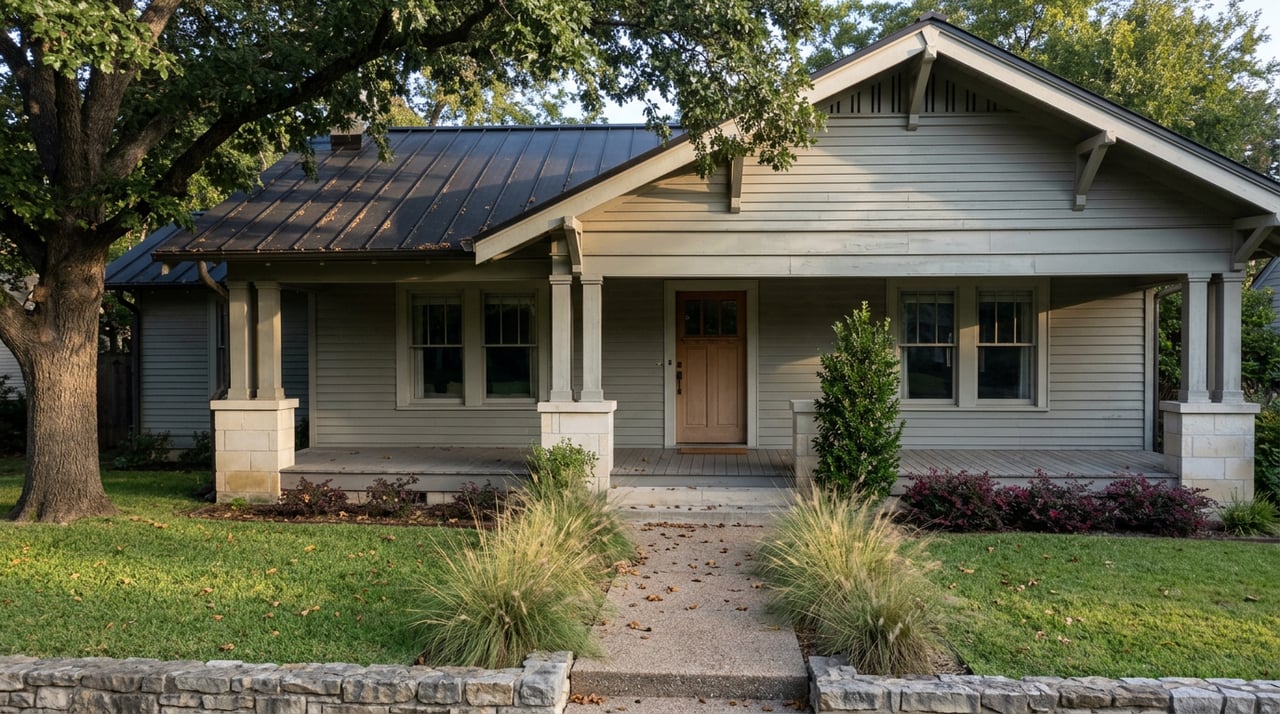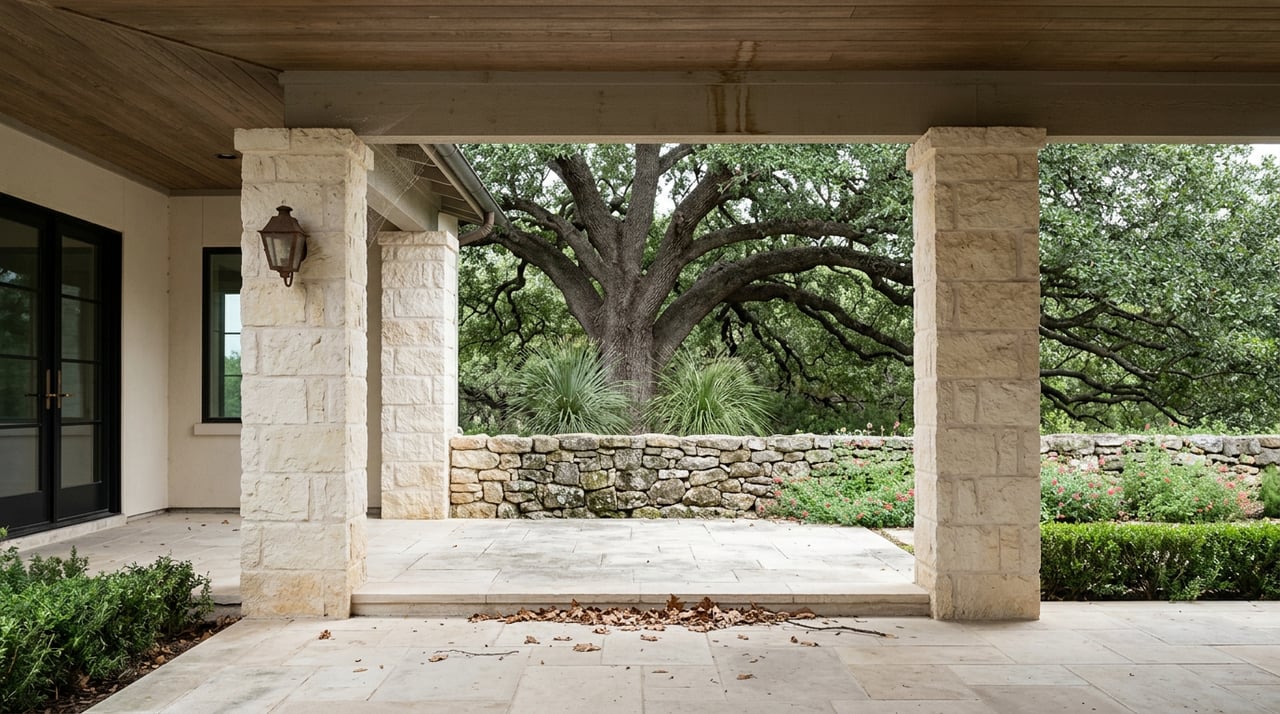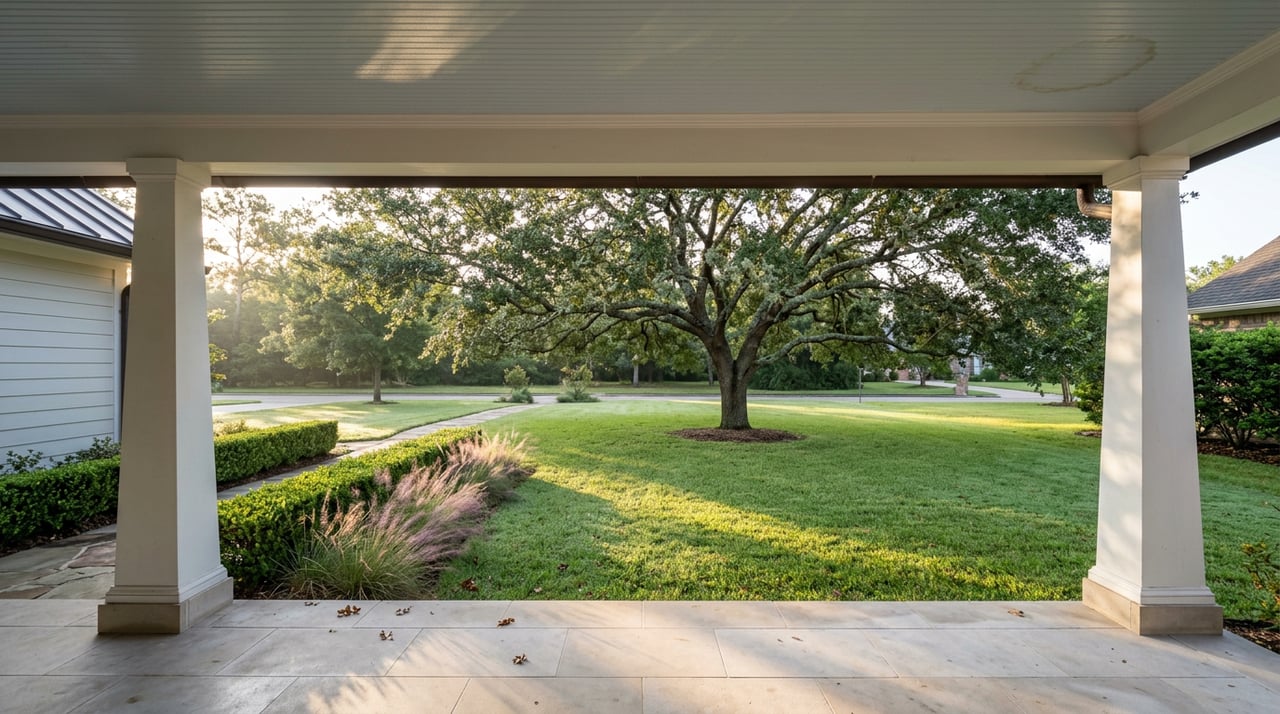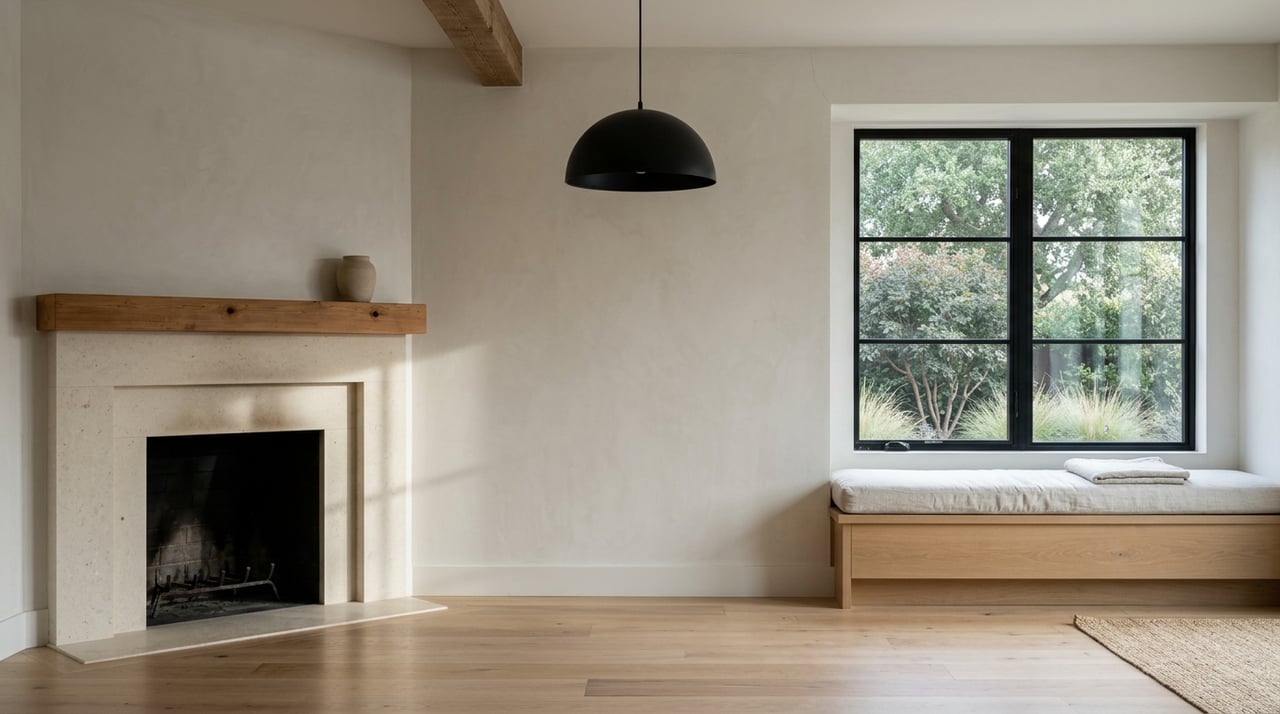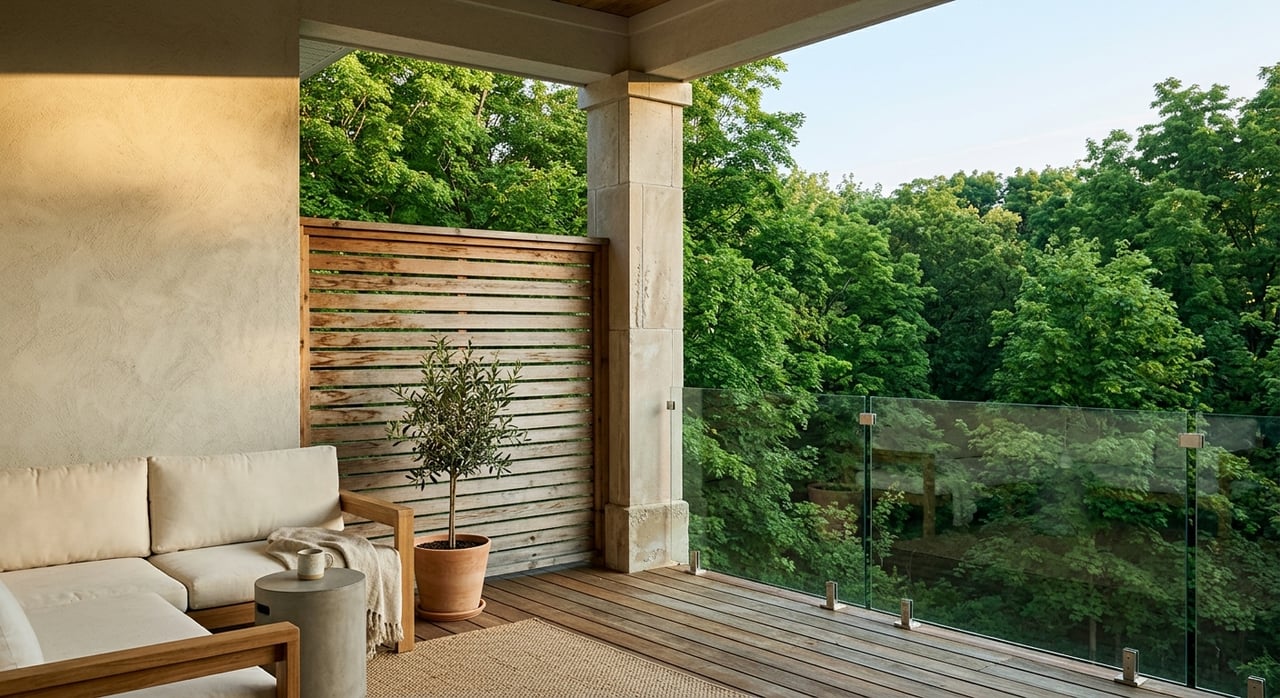
If you fall in love with a skyline view in Northwest Hills, you are not alone. A dramatic outlook can make a home feel special from the moment you walk in, but in this part of Austin, the real question is not just what you see today. It is whether that view will stay usable, comfortable, and valuable over time. This guide will help you look past the first impression and evaluate what really matters when buying a view home in Northwest Hills. Let’s dive in.
Why Northwest Hills view homes stand out
Northwest Hills sits along the eastern edge of the Texas Hill Country, where the Balcones Escarpment creates steep changes in elevation, deep valleys, and long sightlines. That topography is a big reason view homes here can feel so distinctive from one street, or even one lot, to the next.
In practical terms, a view home in Northwest Hills is often a property-specific opportunity. Elevation, tree canopy, nearby greenspace, and what can be built on surrounding lots all shape the outlook you are buying. In many cases, the appeal is not only the distant horizon, but also the more natural setting around the home.
Check whether the view is durable
A beautiful view is one thing. A durable view that holds up over time is what supports long-term enjoyment and future resale.
Austin zoning rules affect building heights, setbacks, and impervious cover, which means nearby parcels may change in the future within those rules. Before you assume a current view corridor or privacy buffer will remain open, it helps to understand the zoning and likely build envelope of adjacent lots.
You should also pay close attention to the way the home sits on the lot. In Northwest Hills, even small shifts in grade, lot shape, or neighboring rooflines can make a major difference in how protected a view really is.
Questions to ask about view permanence
- What sits directly behind, beside, and below the property?
- Are neighboring lots already built out, or could they redevelop?
- How much of the current view depends on open space versus private property?
- Do trees create privacy and shade, or are they the main reason the sightline feels limited?
Look at orientation, not just scenery
One of the biggest mistakes buyers make with view homes is focusing only on the panorama. In Austin’s climate, window orientation can affect your comfort every single day.
According to the U.S. Department of Energy, north-facing windows tend to bring in more even natural light with less summer heat gain. East- and west-facing windows can create stronger glare and heat, while south-facing windows can offer strong winter sun but often need effective shading during summer.
That means the best view in the house can also become the hottest room in the house. When you tour a home, notice where the main living spaces face and whether the windows support daily comfort, not just visual impact.
What to notice during a showing
- Glare in living rooms during afternoon hours
- Heat buildup near large windows and glass doors
- Existing exterior shading from trees, overhangs, or covered patios
- Whether the primary bedroom or main gathering spaces face intense western sun
Trees can help and complicate a view
In Northwest Hills, mature trees are part of the appeal. They can provide privacy, cooling shade, and a softer natural setting that makes a home feel tucked into the landscape.
At the same time, trees can narrow a sightline or change what you see from key rooms and outdoor areas. Austin also regulates impacts to protected trees on private property, and some larger trees may qualify as Heritage Trees. That can limit how easily a future owner can trim or remove them.
This is why tree cover deserves a closer look before you buy. A canopy that feels charming on the first visit may later affect the amount of light, the openness of the view, or your flexibility with future improvements.
Evaluate outdoor living as part of the value
A strong view home is not only about what you see through the windows. It is also about how well the outdoor spaces let you enjoy the setting.
In Northwest Hills, decks, patios, and terraces can add real lifestyle value when they are usable, shaded, and well positioned for the climate. A balcony with a dramatic sunset view may sound appealing, but if it gets harsh late-day sun and little cover, you may use it less than expected.
Outdoor areas can also affect costs. The City of Austin includes impervious surfaces such as rooftops, patios, and driveways in its drainage charge. The city also notes that uncovered wood decks or unpaved driveway sections may lower that charge, and qualifying stormwater features may offer discounts.
Signs of a well-planned outdoor space
- Shade during the hottest parts of the day
- Easy access from main indoor living areas
- Room for seating or dining without feeling exposed
- Drainage that appears well managed across the lot
- Materials and layout that fit the slope of the site
Understand site constraints before closing
View lots often come with extra complexity. In Austin, development decisions can be shaped by drainage, floodplain, water quality, erosion control, and tree protection requirements.
That matters because some of the changes buyers imagine making later, such as expanding a deck, adjusting grading, or altering landscaping, may be limited by site conditions or city review. What looks simple on paper may become more involved once the property’s physical constraints are fully understood.
Austin floodplain staff recommend reviewing the property, plat, and deed records for specific properties. The city notes that about 10 percent of Austin land is in floodplain, and every creek and lake has a floodplain, so this step is especially important for homes on more sensitive or sloped sites.
Key checks before you close
- Review the property’s plat and deed records
- Verify whether any part of the lot is in floodplain
- Ask about drainage patterns on the site
- Look for slope-related limitations that may affect future work
- Confirm whether protected trees could affect improvements
Judge the windows by comfort and efficiency
Large windows are often a headline feature in a view home. They can frame the landscape beautifully, but they also play a major role in the home’s day-to-day performance.
The U.S. Department of Energy notes that windows, doors, and skylights perform differently based on orientation, external shading, and ratings such as U-factor and solar heat gain coefficient. Proper installation matters too. For you as a buyer, that means a wall of glass should be evaluated as part of the home’s comfort system, not just its design.
If possible, pay attention to how the rooms feel during your showing. A bright, open living room only adds value if it remains pleasant to use through Austin’s warmer months.
Think about resale from day one
The strongest view-home purchases usually balance emotional appeal with practical staying power. In Northwest Hills, that often means choosing a home where the value comes from features that are hard to copy, such as elevation, smart orientation, manageable tree cover, and outdoor spaces that work well in the heat.
A fragile sightline can still be attractive, but it may not age as well from a resale standpoint. Buyers tend to respond best to views that also feel private, comfortable, and easy to enjoy in everyday life.
The Travis Central Appraisal District property search can be a useful starting point when you review a property, but it is the county’s appraisal database for ad valorem taxation and the current year is considered a work in progress. It is most useful when paired with recent comparable sales, a strong on-site walkthrough, and title review.
A smart way to shop Northwest Hills view homes
When you tour homes, try to separate the instant wow factor from the long-term fundamentals. The right home will usually offer both.
A thoughtful buying process includes more than standing in the living room and admiring the horizon. You want to understand how the lot works, how the light behaves, what the trees contribute, and whether the surrounding properties could change the experience later.
That local, lot-by-lot lens matters in Northwest Hills. A view premium is most compelling when it is supported by features that remain useful and marketable over time.
If you want expert guidance comparing view homes in Northwest Hills or understanding how a specific lot may perform over time, Lockie Ealy can help you evaluate the details that matter most and inspire your next chapter.
FAQs
What makes a view home in Northwest Hills different from other Austin homes?
- Northwest Hills has steep elevation changes, valleys, mature tree canopy, and nearby greenspaces, so each view is highly specific to the lot, orientation, and surrounding parcels.
How can you tell if a Northwest Hills view will last?
- Review nearby zoning, setbacks, likely build potential on adjacent lots, and the role trees play in the current sightline and privacy.
Why does window orientation matter in a Northwest Hills view home?
- Orientation affects glare, natural light, and summer heat gain, so the most dramatic view may not always provide the most comfortable daily living experience.
What should you check about trees before buying a view home in Austin?
- You should consider how trees affect shade, privacy, and sightlines, and also verify whether protected tree rules could limit trimming, removal, or future site changes.
What site issues should buyers verify before closing on a Northwest Hills view property?
- Focus on floodplain status, drainage, slope, plat and deed records, and any tree or environmental constraints that could affect future improvements or maintenance.
Do outdoor spaces add value to a Northwest Hills view home?
- Yes, especially when decks, patios, or terraces are shaded, comfortable to use, and designed in a way that works with drainage and site conditions.