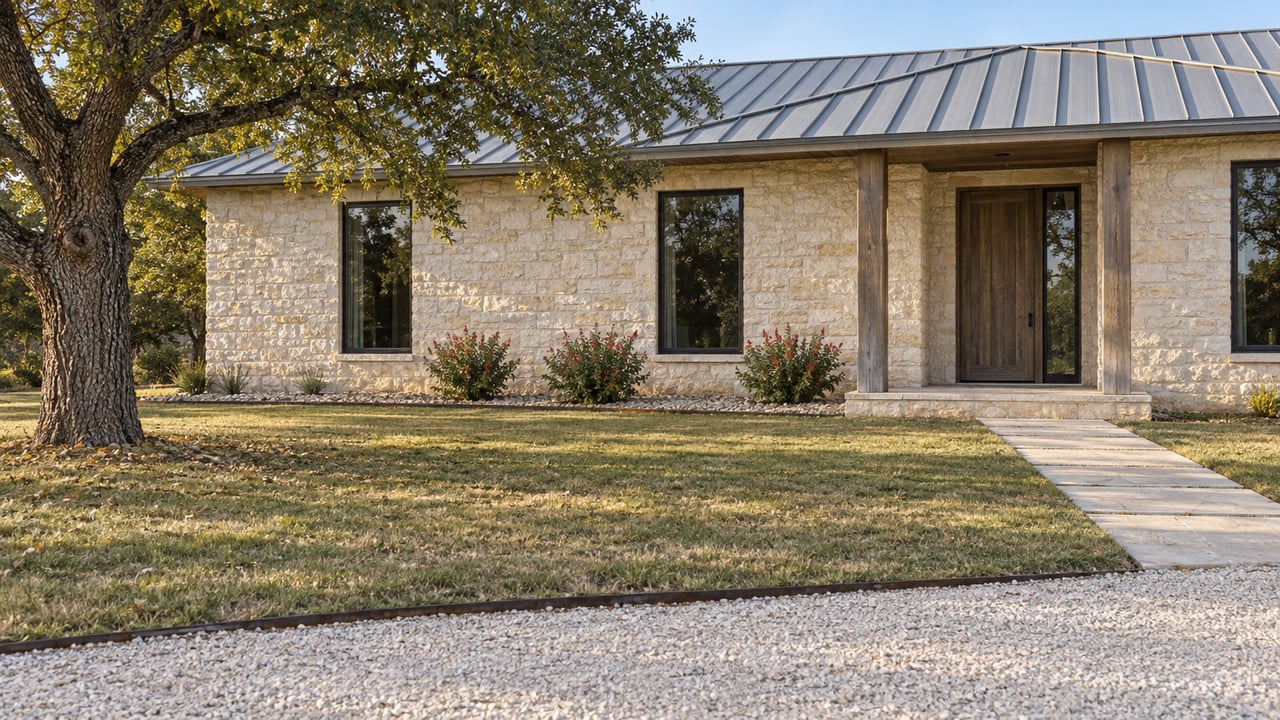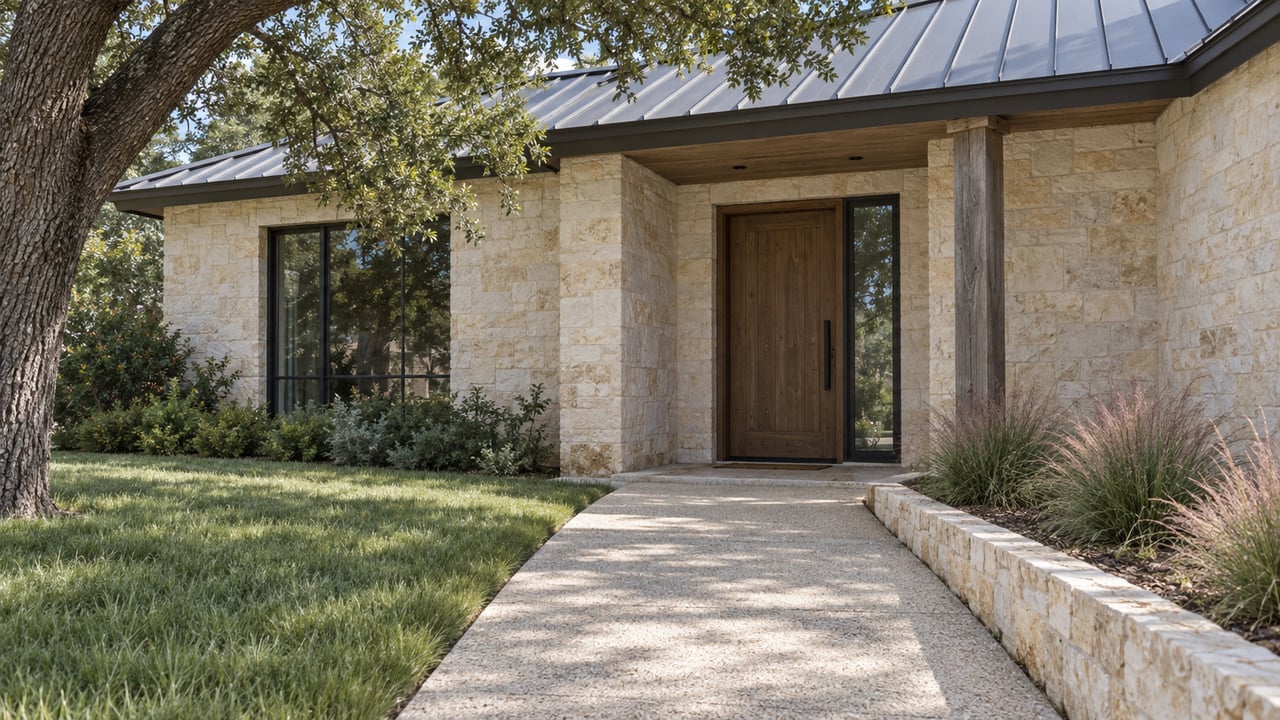
A seller in Great Hills calls with good news. The kitchen was redone two years ago. Wood floors throughout. The bathrooms have been updated with the kind of granite and tile that photographs well. By any measure, this house should sail through inspection.
Then the inspector's report comes back flagging gray flexible plastic pipe behind the water heater, and the conversation changes. The renovation touched everything a buyer can see. It never touched the supply lines running through the walls and slab, because nobody had a reason to open them. That gap between what got updated and what got left alone is the thing catching Northwest Austin sellers off guard this year, and it has almost nothing to do with how well a home was maintained.
The Renovation Photos Don't Show What's Behind the Drywall
The material in question is polybutylene, commonly shortened to poly-B or PB. It was the standard residential water supply pipe across the country from roughly 1978 to the mid-1990s, chosen because it was cheap and fast to install compared to copper. It reacts poorly with chlorine and other disinfectants used in municipal water systems, which causes the pipe to become brittle from the inside out and fail without any visible warning.
That failure pattern is exactly why a beautifully updated kitchen tells you nothing about what's running through the wall behind it. A remodel replaces fixtures, counters, and finishes. It rarely means someone cut into every wall cavity to trace and replace the original supply lines, especially in a home where nothing has leaked yet. A local plumbing outfit that services this corridor, Good Clean Plumbing, notes that Austin's mineral-heavy water accelerates wear on aging pipe materials regardless of what's been done cosmetically around them. The pipe doesn't know the kitchen got a facelift.
A Build-Year Problem, Not a Bad-Luck Problem
The reason this shows up so often in Northwest Austin specifically is that the neighborhood's core subdivisions were built during exactly the years poly-B was the industry default. This isn't a defect that hit a handful of unlucky houses. It's baked into the construction calendar for the area.
| Northwest Austin Pocket | Typical Build Era | Overlap With the Poly-B Era (roughly 1978 to mid-1995) |
|---|---|---|
| Great Hills | Average build year 1989, with some homes dating to the 1970s and a few as recent as the 2000s | Squarely inside the window |
| Northwest Hills | Predominantly built between the 1960s and the 1980s, with newer custom homes mixed in over the years | The neighborhood's later construction, from the late 1970s through the 1980s, sits inside the window |
| Austin Hills | 1980s and 1990s | The 1980s core sits inside the window; homes from later in the 1990s land right at its edge |
A plumbing service that works across the metro, LALO Plumbing, groups these exact pockets together for that reason, describing Avery Ranch, Brushy Creek, Anderson Mill, Great Hills, and Northwest Hills as largely 1980s-2000s construction where poly-B shows up routinely. If your home was built anywhere in that band, the honest starting assumption is that the original supply lines are poly-B until a plumber tells you otherwise, not the other way around.
What the Disclosure Form Actually Asks You to Know
Here's where the incentives get strange. Under Texas Property Code Section 5.008, the Seller's Disclosure Notice only asks what you actually know, and the form itself states plainly that it
is not a substitute for any inspections or warranties the purchaser may wish to obtain
A seller who has genuinely never had a plumber open a wall can mark plumbing material as unknown in good faith. That's legally sufficient. But it doesn't make the pipe disappear once a buyer's inspector shows up with a flashlight and finds the same gray line every 1980s home in the neighborhood was built with. The disclosure form protects you from liability for what you didn't know. It does nothing to protect the deal once the buyer's side finds out anyway, mid-option-period, with leverage.
The liability question only bites if you knew and didn't say, as Houston Business Lawyers explain. Sellers who are aware of the material and leave it off the form are exposed to a Texas Deceptive Trade Practices Act claim, which can carry damages up to three times the actual loss. The safer move isn't hoping the form's "unknown" box holds. It's finding out before you sign it, so you're negotiating from a position you chose rather than one your buyer discovered for you.
What the Repipe Actually Costs, and Who Pays
Once poly-B is confirmed, three things tend to happen in a Northwest Austin transaction. A buyer's inspector flags it as a material defect. The buyer's lender or insurer, depending on the carrier, may decline to write a policy or require the pipe replaced before closing, since most standard homeowners policies exclude water damage tied to a known-defect material like poly-B, according to a plumbing materials guide from Fresh Water Systems. And the buyer's agent brings a number to the negotiating table.
That number is usually a full PEX repipe, which for a typical single-family home runs in the range of $4,000 to $10,000 depending on square footage, number of bathrooms, and how accessible the walls are. Sellers have a few ways to handle it once it surfaces:
- Replace the plumbing before listing, which removes the flag entirely and lets the home compete on its updated finishes without an asterisk
- Offer a closing credit sized to the repipe estimate, which keeps the deal moving without a scheduling delay
- Negotiate a price reduction that reflects the buyer's future repipe cost, which is the slowest and most contentious of the three options
Sellers who repipe ahead of listing tend to see fewer inspection contingencies and a cleaner path to closing, simply because the issue never gets a chance to surface as a surprise in the middle of someone else's option period.
Finding Out Before Your Buyer's Inspector Does
You don't need to guess. A licensed plumber can confirm pipe material in an hour or two, usually by checking the attic, under sinks, and around the water heater where supply lines are most exposed. Poly-B is typically gray, though it sometimes shows up blue or black, and it has a soft, flexible feel that's noticeably different from rigid copper or PVC. Some runs carry a stamped marking along the length of the pipe that a plumber can identify on sight.
If you're planning to list a home in Great Hills, Northwest Hills, or Austin Hills this year, that plumber's visit is worth scheduling before your first professional photos, not after an offer comes in. Knowing the material in advance means you walk into your listing appointment with a plan instead of a question mark, and it means the number your buyer's inspector eventually finds is one you already priced for.
FAQ
Does homeowners insurance cover a poly-B pipe failure? Most standard homeowners policies exclude water damage caused by a known-defect material like polybutylene, and some insurers decline to write new policies on homes where it's present. Coverage terms vary by carrier, so a call to your own agent before listing is worth the ten minutes.
If my inspector's report doesn't specifically mention polybutylene, does that mean I don't have it? Not necessarily. a general inspector may note plumbing type only where it's visibly accessible. A dedicated plumber's assessment is more thorough for this specific question.
My home has already been renovated. Doesn't that usually include new plumbing? Only if the renovation scope explicitly included a repipe. Kitchen and bathroom remodels typically touch fixtures, cabinetry, and finishes without replacing the supply lines that feed them, which is exactly why an updated home can still carry the original 1980s or 1990s pipe.
If you're weighing a sale in Great Hills, Northwest Hills, Austin Hills, or anywhere else across Northwest Austin, Ealy & Company can walk you through what your specific home's build year means for pricing and timing before you list. Inspire your next chapter. Schedule a consultation.
This article is general information, not legal, tax or financial advice. Consult a qualified professional about your situation.